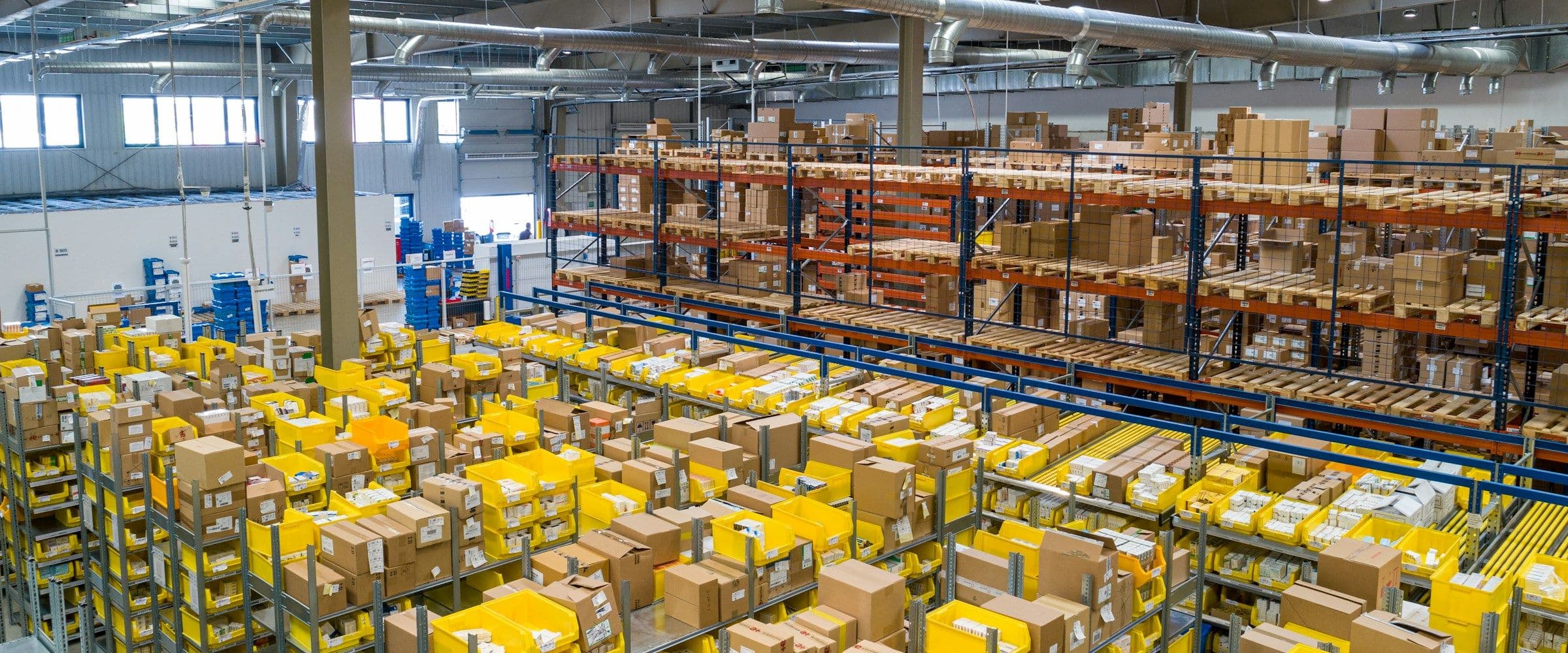
In today’s fast-moving logistics environment, especially in a growing hub like the UAE, freight and delivery companies face increasing pressure to deliver faster, more reliably, and more transparently. Whether it’s last-mile delivery in Dubai or international freight, the need for smart technology is more important than ever. This is where Salesforce CRM (Customer Relationship Management) steps in, not just as a sales tool, but as a complete solution for managing operations, communication, and customer service. Features of Salesforce CRM are given below, which show how Salesforce CRM works:
1. Improved Customer Communication
Freight and delivery services often struggle with real-time communication across multiple touchpoints from dispatch centers to end customers. Salesforce CRM helps companies create a centralized communication system. When a customer calls to check the status of a shipment, the support agent can easily access complete records, from order details to delivery timelines.
In the UAE, where logistics partners often serve customers in both English and Arabic, Salesforce has different language interfaces to ensure smooth and inclusive communication.
2. Real Time Tracking and Visibility
Using Salesforce’s integration capabilities with GPS, companies can offer real time shipment tracking to both internal teams and customers. When Salesforce is connected with the logistics infrastructure, it can show the exact status of a shipment, delays, delivery routes, and more.
This is especially important in cities like Abu Dhabi and Dubai, where traffic or customs delays can impact delivery. With a connected CRM system, companies can instantly update clients or reroute deliveries based on the latest data.
3. Automated Workflows and Faster Response Times
One major issue in the freight industry is delays caused by manual processes. Salesforce’s automation tools help remove bottlenecks by automating repetitive tasks. For example, when a shipment is booked, Salesforce can automatically generate a delivery request and notify the operations team. If a customer logs a complaint or inquiry, it can be routed instantly to the right department. Invoices and follow-ups can be triggered based on delivery milestones. These kinds of workflows improve efficiency and reduce errors.
4. Data-Driven Insights for Better Decision-Making
Freight and logistics companies generate huge amounts of data, from shipment times to customer feedback. Salesforce turns this data into actionable insights using dashboards and reports. For example, a logistics company operating in Sharjah may discover that deliveries to industrial areas are consistently delayed at a certain time of day. With that insight, they can adjust delivery schedules or explore alternate routes. Salesforce also helps identify underperforming drivers, recurring customer complaints, and service gaps, all in real time.
5. Custom Solutions for Local Needs
The UAE logistics market is unique; it mixes high-volume e-commerce deliveries with complex import-export operations. Salesforce can be customized to match these needs. For instance, companies can create custom modules for customs clearance processes, last-mile delivery tracking in remote areas, or integration with UAE-based payment and billing systems like Etisalat Payment Gateway. This level of flexibility helps logistics providers offer tailored services without losing operational control.
6. Stronger Partner Collaboration
Many freight companies in the UAE operate within a network of regional and international partners, freight forwarders, customs agents, and last-mile delivery companies. Salesforce’s cloud-based platform enables secure data sharing and collaboration across the supply chain. Everyone involved in the delivery process can stay on the same page, reducing miscommunication and delays.
Conclusion
For freight and delivery services in the UAE, Salesforce CRM is more than just a customer database; it’s a central hub for managing the end-to-end logistics journey. From better communication and real-time tracking to workflow automation and data insights, Salesforce helps logistics companies deliver with greater efficiency, transparency, and customer satisfaction. As the region continues to grow as a logistics hub, smart CRM tools like Salesforce will play an essential role in staying competitive and responsive.