
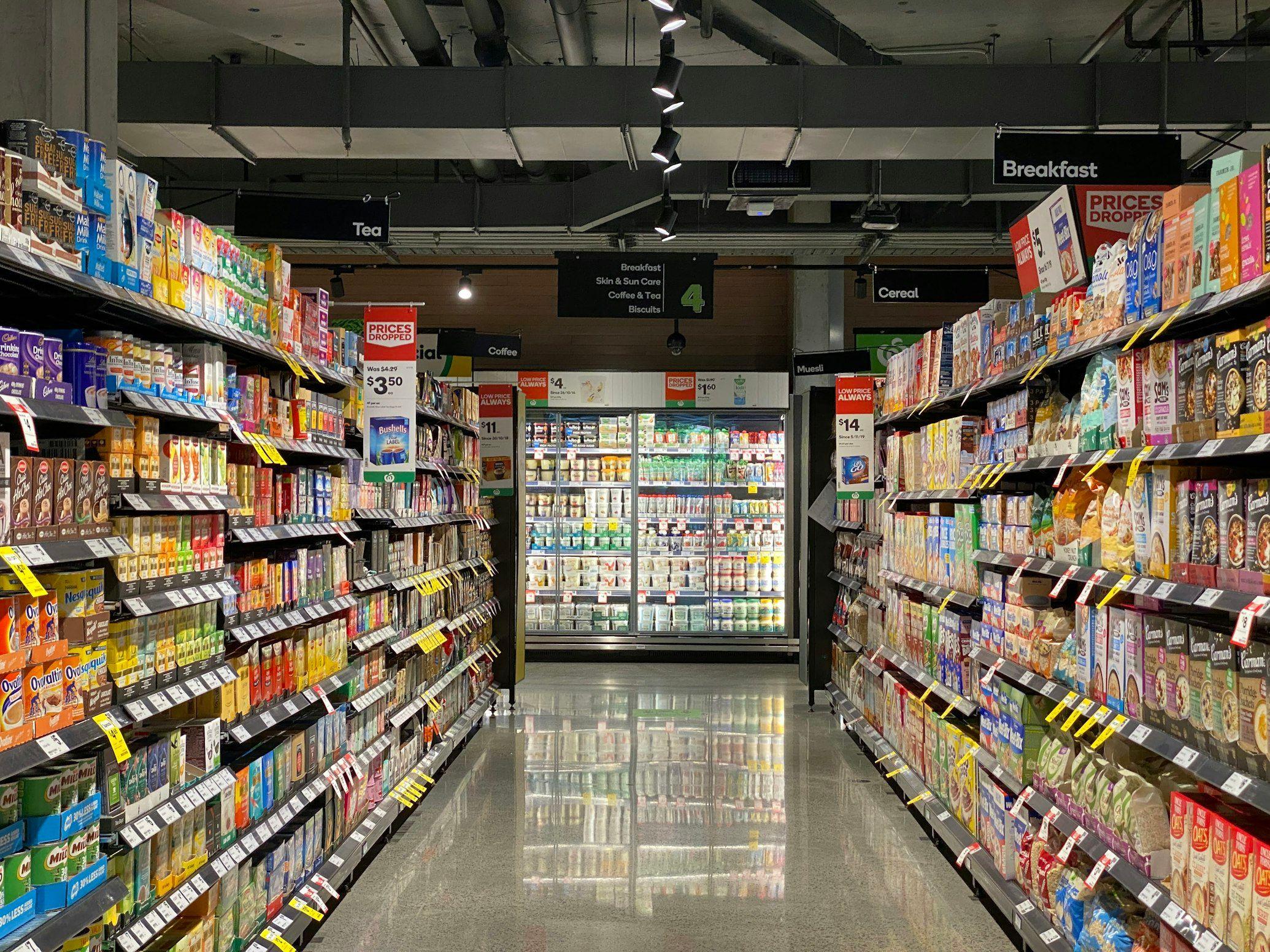
Digital Transformation for Consumer Goods Companies
The consumer goods landscape is shifting faster than ever. 3Li Global empowers CPG companies to strengthen brand management, optimize distribution networks, sharpen demand planning, maximize trade promotions, launch direct-to-consumer channels, and accelerate product lifecycle management through integrated CRM, ERP, and automation platforms.
What's Holding Consumer Goods Companies Back
The challenges we hear every day from CPG leaders.
Fragmented Distribution Networks
Distributors, wholesalers, retailers, and e-commerce channels operate on disconnected systems — creating blind spots in sell-through data, inconsistent pricing, and an inability to track products from factory to shelf.
Inaccurate Demand Forecasting
Manual planning and siloed data lead to chronic overproduction of slow movers and stockouts of high-demand SKUs — resulting in excess inventory costs, markdowns, and lost revenue opportunities.
Ineffective Trade Promotions
Consumer goods companies spend up to 20% of revenue on trade promotions, yet most lack the tools to measure ROI, optimize spend allocation, or prevent deductions and compliance gaps across retail partners.
Disconnected Consumer Insights
With consumer data scattered across retail partners, D2C channels, social media, and market research, CPG brands struggle to build a unified view of their end consumer and respond to shifting preferences in real time.
How We Transform Consumer Goods Operations
Concrete use cases from our CPG engagements.
Distribution & Channel Management
Distributors, wholesalers, and retailers on disconnected systems. No visibility into sell-through data, secondary sales, or inventory at channel level. Route-to-market decisions based on incomplete information.
End-to-end visibility across the distribution network — primary, secondary, and tertiary sales tracked in real time. Automated inventory monitoring at every node with optimized route-to-market strategies.
 Powered by Salesforce Consumer Goods Cloud
Which Platform Fits Your Consumer Goods Needs?
We implement all major platforms. Here's how each one serves consumer goods companies specifically.
Salesforce Consumer Goods Cloud
Best for: Enterprise CPG CRM & Distribution- Consumer Goods Cloud with retail execution
- Account-based demand planning & forecasting
- Distributor & channel partner management
- Trade promotion optimization with Einstein AI
- Field service for in-store merchandising

HubSpot
Best for: D2C Marketing & Consumer CRM- D2C consumer engagement & loyalty
- Marketing automation for brand campaigns
- E-commerce integration & lead nurturing
- Consumer data platform & segmentation
- Social media management & analytics

Microsoft Dynamics 365
Best for: Unified ERP + CRM for CPG- Integrated supply chain & sales management
- Trade promotion planning & execution
- Demand forecasting & inventory optimization
- Financial management for multi-brand portfolios
- Power BI analytics for CPG dashboards

Zoho
Best for: Growing CPG Brands- Affordable CRM for mid-size CPG companies
- Inventory & distribution management
- Customizable product catalog workflows
- Multi-channel order management
- Integration with ERP & e-commerce platforms
Not sure which platform is right?
Book a free 30-minute platform assessment with our CPG technology team.
Consumer Goods Solutions FAQs
Common questions about digital transformation for consumer goods companies and CPG brands.
We work with CPG companies across food & beverage, personal care, household products, apparel, and consumer electronics. Our solutions serve both multinational brands managing complex operations and growing brands scaling their distribution networks.
Yes. We specialize in connecting CPG brands with their distribution partners through secure data exchange, EDI integration, and portal-based collaboration tools. We work with your existing ERP, DMS, and retailer systems rather than replacing them — ensuring minimal disruption to established trade relationships.
Our implementations are designed for portfolio complexity. We configure platforms with flexible product hierarchies, category-specific workflows, brand-level analytics, and channel-specific pricing structures. Each brand and category can have tailored processes while sharing a unified data foundation.
Yes. Our team has delivered digital transformation projects for consumer goods companies across FMCG, durables, and specialty brands worldwide. We understand the distribution structures, trade dynamics, and consumer behaviors specific to the consumer goods sector.
ROI varies by scope, but consumer goods companies typically see 25-35% improvement in demand forecast accuracy, 30-45% increase in trade promotion ROI, 20-30% reduction in distribution costs, and measurable improvements in shelf availability within the first 6-9 months of implementation.
Absolutely. We design and implement end-to-end D2C capabilities including e-commerce platforms, consumer CRM, marketing automation, subscription management, and fulfillment integration. Our D2C solutions are designed to complement — not conflict with — your existing retail and distribution channels.
There isn't a single "consumer goods CRM" — the right fit depends on your model. A brand managing distributors and retail sell-through needs a CRM that models the trade relationship (accounts, price lists, channel), whereas a direct-to-consumer line leans on lifecycle marketing. We implement HubSpot, Salesforce and Zoho and configure whichever matches how you actually sell, rather than fitting you to a generic template.
Yes — food & beverage, personal care, household products, apparel and consumer electronics. CPG adds needs a generic CRM ignores: multi-channel distribution (distributor to retailer to shelf), visibility of trade promotions, and keeping the brand relationship separate from transactional order data. We configure the CRM around those realities, not a standard B2B blueprint.
The platform is the same; the configuration differs. Consumer durables — appliances, electronics, furniture — carry longer consideration, warranty and service records, and a dealer/retail network, so the CRM has to hold the post-purchase service relationship and the channel, not just the initial sale. We set it up around that full ownership lifecycle.
"Consumer goods software" usually bundles ERP, supply-chain and trade-promotion tools; a CRM owns the customer and channel relationship. Most consumer-goods operations need both, connected — the CRM for accounts, contacts and service, and the operational stack for inventory and distribution. We focus on the CRM layer and integrate it cleanly with the rest of your systems.
How HubSpot CRM Helps Modern Businesses Stay Ahead
Modern customers expect every interaction — a marketing email, a sales call, a support ticket — to f...
Manufacturing Meets Marketing: HubSpot's Role in Industrial Growth
The industrial sale has changed. The buyer who once called a rep early now does most of the work alo...

The Future of CRM: What to Expect in 2026 and Beyond
CRM has quietly become one of the largest categories in enterprise software — and it is still accele...
Mastering Lead Nurturing with HubSpot Automation
Here is the uncomfortable truth about your pipeline: most of the leads in it are not ready to buy ye...

Top Pipedrive Automation Hacks to Boost Sales Productivity
Your salespeople were hired to sell — but most of their week goes to everything except selling. Sale...

Training AI Chatbots: The Guide for Service Teams
An AI chatbot is only as good as what you teach it. Deploy one on a thin knowledge base and vague ru...
Ready to Transform Your Consumer Goods Operations?
Book a free CPG assessment with our consumer goods technology team. We'll review your current systems, identify opportunities across distribution, demand planning, trade promotions, and D2C, and provide a roadmap for transforming your consumer goods operations.